
The Neuroscience of Making: What Happens When Your Hands Create
There's a physiological connection between our hands and our well-being that goes deeper than psychology. Studies have shown that engaging in creative handwork reduces cortisol (the stress hormone), increases dopamine (associated with satisfaction and reward), and can even lower blood pressure.
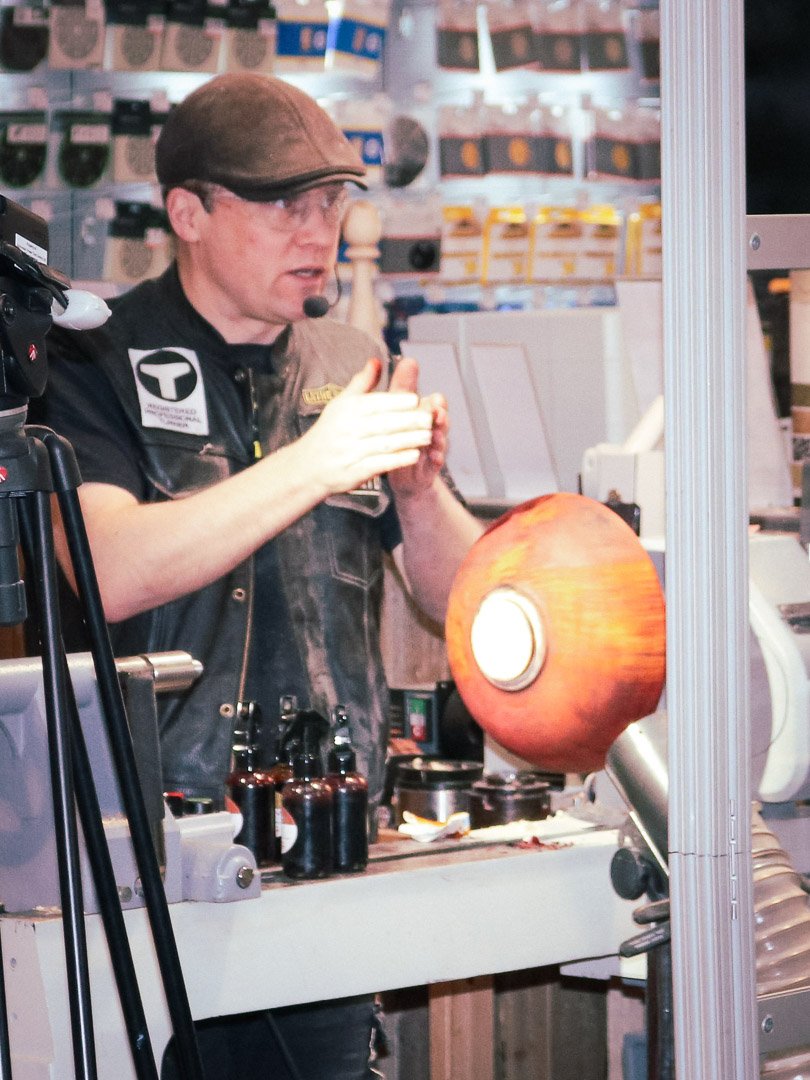
Finishing a project gives you a sense of accomplishment that triggers dopamine release. But here's what's interesting: it's not just completion that provides the hit. The anticipation of completion, the incremental progress, the small victories along the way. Each one contributes to the reward.
This is why turning feels so satisfying even during the process, not just at the end. Every clean cut, every curve that emerges correctly, every moment when the wood responds to your intention – these are micro-accomplishments that accumulate into deep satisfaction.
The connection goes further. Research has shown that repetitive, rhythmic hand movements can induce a calming state similar to meditation. The gentle rhythm of sanding through the grits, the consistent motion of a smoothing cut – these aren't just mechanical actions. They're actively calming your nervous system.
I think about the soldiers returning from World War I who were given basketry and woodworking as therapy for what they called "shell shock" – what we now recognise as PTSD. The occupational therapists of that era intuited something that neuroscience is only now fully validating: making things heals things.
We don't need to be recovering from trauma to benefit. The same mechanisms that aid healing also enhance daily wellbeing. The same focus that quiets traumatic intrusion also quiets anxious thinking. The same satisfaction of creating something tangible also builds confidence and self-worth.
Your hands aren't just tools. They're pathways to a calmer, more satisfied mind.
Class Recommendation: Experience the science yourself. Our classes at The Woodturning School are designed to maximise that satisfying rhythm of making.
Book: https://www.thewoodturning.school
Watch: https://www.youtube.com/@msabansmith
Cross-Reference: Related: 'The Science of Satisfaction' on The Woodturning School blog (Tuesday 3rd March)