
What the Wood Remembers
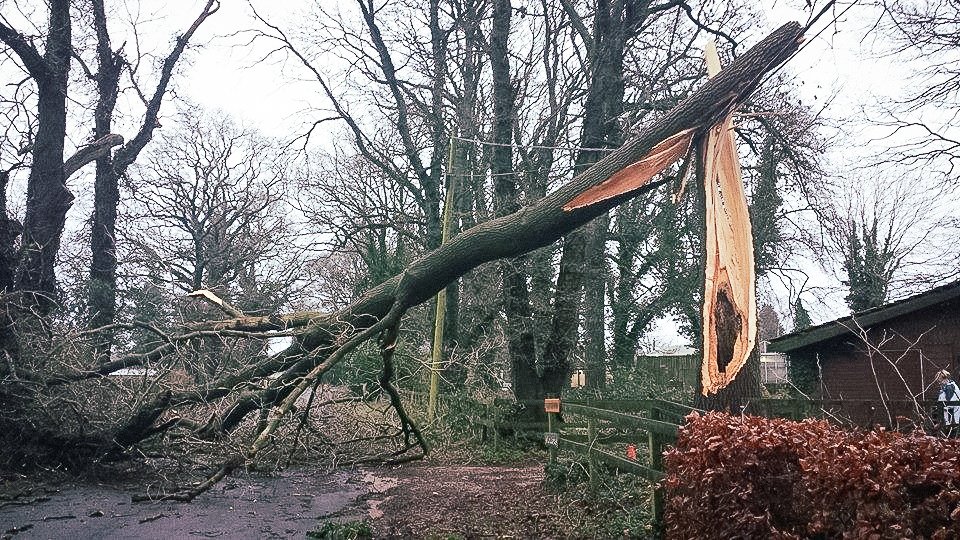
Ash tree at home that came down on 23rd December 2023 - before I got into turning.
Every piece of wood carries a history you can read if you know how to look. The tight growth rings from a harsh year when rain was scarce. The wide bands from a season of abundance.
The reaction wood where the tree leaned against prevailing wind and compensated. The dark streak where a branch once grew and the tree healed over the wound. None of this is decoration. It's autobiography.
We’ve all turned a piece of wood from a tree that stood for perhaps two hundred years before it came down in a storm or was felled for whatever reason. Two centuries of weather, of seasons, of slow patient growth are all compressed into the blank on your lathe. When you cut into it, you’re not just shaping wood. You are engaging with ‘physical’ time.
This changes how I approach the work. Rushing feels disrespectful. The tree took two hundred years to grow; I can take two hours to turn it properly. The material earned that consideration.
There's also practical information encoded in the grain. Where the wood is strong, where it's weak, which direction will cut cleanly, which will tear. The history is functional. A turner who reads grain well makes better decisions about tool approach, cutting direction, and form. The wood is telling you how it should be worked, if you're paying attention.
I think this is part of why woodturning satisfies in ways that working with manufactured materials doesn't. Plastic has no history. MDF has no story. But this piece of ash came from a specific tree that grew in a specific place, responding to specific conditions over specific years. It's unique in ways that matter, not just in ways that marketing invented.
When students ask me why I chose woodturning over other crafts, this is part of the answer. The material isn't neutral. It arrives with character already present, waiting to be revealed rather than imposed. My job is collaboration, not conquest.
What stories does your wood tell?
Related: Understanding wood is woven into every class at The Woodturning School – reading grain, respecting material, working with rather than against.